Democrats’ $2 trillion spending spree after midterms could collide with Trump’s veto
House Minority Leader Hakeem Jeffries plans to reverse Medicaid cuts and extend Affordable Care Act tax credits within 100 days, a $2 trillion proposal that would require Trump’s cooperation—yet the president has signaled he will block key measures.
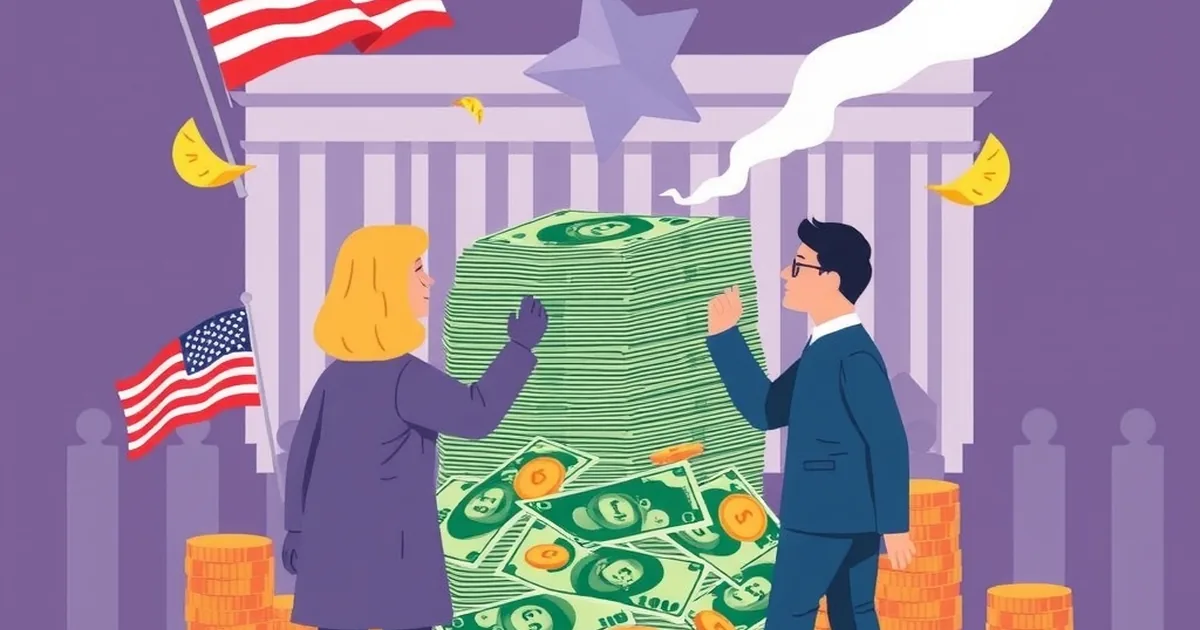
House Minority Leader Hakeem Jeffries plans to reverse Medicaid cuts and extend Affordable Care Act tax credits within 100 days, a $2 trillion proposal that would require Trump’s cooperation—yet the president has signaled he will block key measures.
Key numbers
| Stat | Figure | Date | Source |
|---|---|---|---|
| $2 trillion | Estimated cost of reversing Medicaid cuts and extending ACA subsidies | 2026 | CBO |
| 13 million | Medicaid enrollees projected to lose coverage due to OBBA cuts | 2026 | CBO |
| 65.7 million | Current Medicaid enrollees | 2026 | CBO |
What happened
Democrats, now holding majorities in Congress after midterm wins, are drafting a $2 trillion spending plan to reverse Medicaid cuts, restore SNAP food stamp funding, extend Affordable Care Act tax credits, and repeal Trump-era tariffs—all within their first 100 days. The plan hinges on Trump’s willingness to compromise, but the president has signaled resistance to key measures, including the ACA subsidies, while signaling openness to taxing high earners.
Who is affected
SNAP recipients and low-income families relying on healthcare tax credits are also directly impacted, while broader economic policies like tariff repeals could affect businesses and consumers.
What to do next
Democrats must negotiate with Trump to avoid a veto, as they lack the votes to override it. Republicans, divided on social spending, may also play a role in shaping the final legislation.
What we know and don’t know
The Congressional Budget Office has quantified the fiscal impact of key proposals, but the exact terms of any deal with Trump remain unclear. It is unknown whether Republicans will unite behind the plan or if Trump will accept tax increases on high earners to fund the spending.
Timeline
- November 4, 2026: House Minority Leader Hakeem Jeffries outlines the 100-day agenda to reverse Medicaid cuts, restore SNAP funding, and extend ACA tax credits.
- November 16, 2026: Trump signals openness to taxing high earners but rejects extending ACA subsidies without fraud verification requirements.
- Early 2027: New Democratic majorities take office; negotiations with Trump begin on the $2 trillion spending plan.
Why it matters
The outcome will determine whether Democrats can deliver on their election promises to expand social safety nets or if fiscal constraints and partisan divisions will derail their agenda. A failure to reach an agreement could lead to further cuts to essential programs and increased federal debt.
How much will it cost?
The Congressional Budget Office estimates that reversing Medicaid cuts and extending ACA tax credits would cost $2 trillion over a decade. The $1.2 trillion reduction in Medicaid spending from the One Big Beautiful Bill Act alone would eliminate coverage for 13 million enrollees, while extending ACA subsidies would add $350 billion to the deficit.
What is the One Big Beautiful Bill Act?
The One Big Beautiful Bill Act (OBBA) passed in 2026 included tax cuts and spending cuts, including reductions to Medicaid and SNAP funding. The CBO projected these cuts would reduce Medicaid spending by $1.2 trillion over a decade, affecting 13 million enrollees.
What has Trump said about healthcare subsidies?
Trump has stated he would "rather not" extend enhanced ACA tax credits but acknowledged that "some kind of extension may be necessary." He has also signaled support for increased verification requirements to combat fraud in the program.
What are the key figures in this debate?
Vice President JD Vance has expressed openness to healthcare agreements but has also highlighted concerns about fraud in the subsidies.
What is the fiscal state of the U.S. government?
The federal deficit reached nearly $2 trillion in fiscal 2026, with interest payments on the national debt exceeding $1 trillion. The Congressional Budget Office warns that unsustainable spending could trigger bond market reactions, leading to credit shortages and forced spending cuts.
What are the chances of a deal?
The chances depend on Trump’s willingness to compromise. While he has signaled openness to taxing high earners, he has also rejected extending ACA subsidies without fraud verification. Democrats will need to secure Republican support or overcome a potential veto to pass their agenda.
Frequently asked questions
Will Trump veto the Democrats’ spending plan?
How will the $2 trillion spending plan be funded?
The plan includes extending ACA tax credits, restoring Medicaid funding, and repealing Trump-era tariffs. Democrats have also signaled interest in raising taxes on high earners, though estimates suggest these measures may not fully cover the $2 trillion cost.
What programs will be affected by the spending plan?
The plan targets Medicaid, SNAP food stamps, ACA tax credits, and tariffs. Restoring Medicaid funding would benefit 13 million enrollees, while extending ACA subsidies could help 3.8 million additional Americans gain coverage.
Can Democrats pass the plan without Republican support?
Democrats lack the votes to override a presidential veto, so they will need either Republican support or a deal with Trump to pass the plan. The White House has indicated flexibility on some measures but has not yet confirmed full support.
What is the timeline for the spending plan?
The plan is expected to be introduced within the first 100 days of the new Democratic majorities in Congress, with negotiations with Trump beginning in early 2027. The exact timeline will depend on political negotiations and the president’s willingness to compromise.
See what America is searching today →
Sources
- Democrats plot massive spending spree after midterm rout — and Trump could help them pull it off — foxnews.com, 2026-11-16
- Democrats promised to reverse cuts to Medicaid and food stamps. Trump stands in their way. — nbcnews.com, 2026-11-13
- Democrats’ US election sweep brings the price of their promised social contract into focus — theguardian.com, 2026-11-11